
If your Scottsdale home could talk in January, it would beg for a furnace that actually delivers heat. When residents decide on gas furnace installation, they don’t guess, they plan safety, budget, and how quietly the unit runs. This post reveals what locals do to secure reliable warmth from a gas furnace.
First up is a precise heat-load assessment and a duct check to size the unit correctly. Then they compare models, venting needs, and the best options for Scottsdale, AZ climates, making sure the setup won’t trip a code or a breaker. Permits, scheduling, and choosing a qualified installer are treated like an investment, not an afterthought.
A properly installed gas furnace brings steadier comfort, lower energy costs, and better indoor air. Local pros understand Arizona codes, permit processes, and the quirks of homes here. Keep reading to see the exact steps Scottsdale homeowners use to lock in long-lasting warmth and peace of mind.
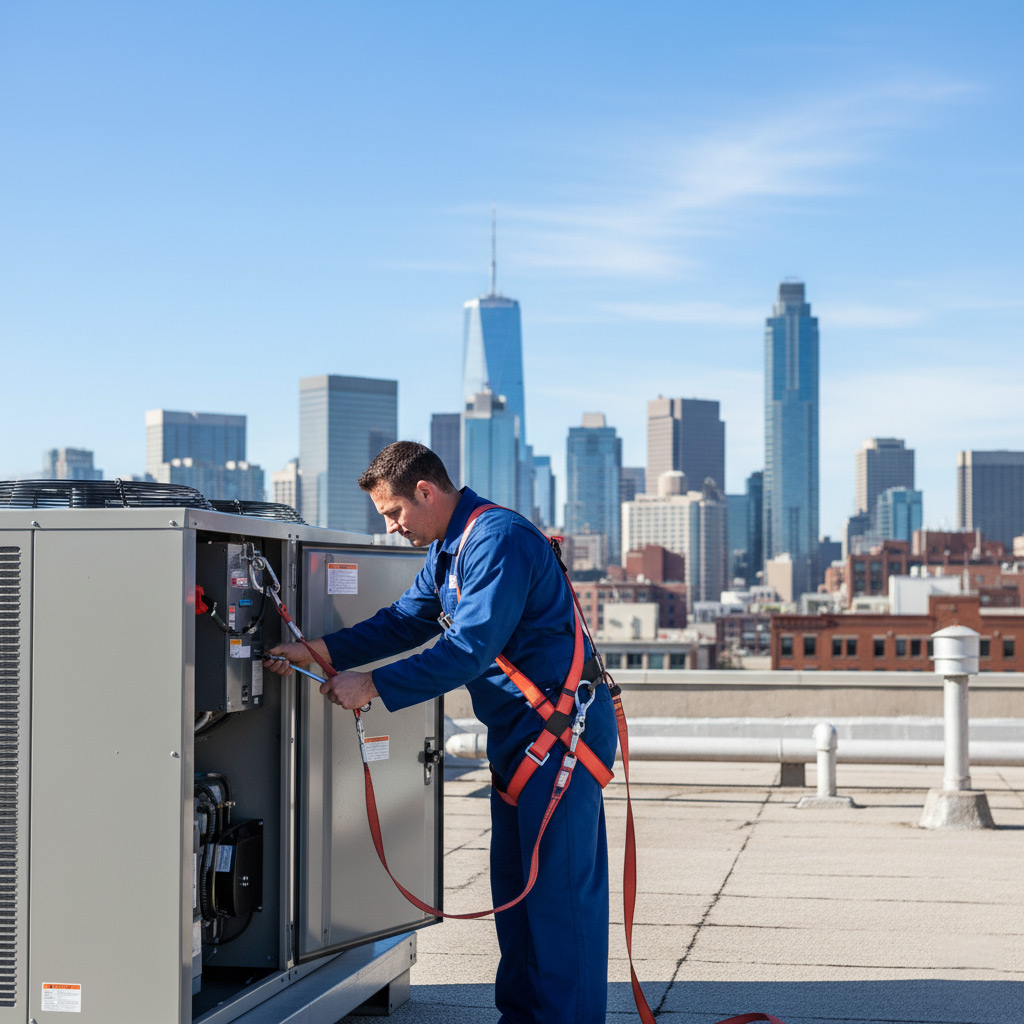
Accurate Heat-Load Calculations and Duct System Checks for Scottsdale Homes
Scottsdale homes range from sun-baked ranches to newer builds with tight envelopes. An accurate heat-load calculation ensures the gas furnace is sized to keep comfort steady without short cycling. Pros use a Manual J approach, factoring in insulation levels, window performance, air leakage, and typical thermostat habits.
Duct system checks are a must. Leaky or poorly designed ducts waste heat and force the furnace to run longer, driving wear and higher energy use. A professional assessment covers duct leakage testing, airflow balance, and return-air pathways to ensure every room gets even warmth.
- Seal joints and inspect insulation around ducts for minimal heat loss.
- Blower-door or duct-blaster tests to pinpoint leaks and pressure imbalances.
- Balance supply and return airflow to prevent cold zones.
Choosing the Right Gas Furnace: Efficiency, Sizing, and Climate-Driven Features for Scottsdale
Your Scottsdale home deserves a furnace that keeps temps steady without blowing up your bill. Start with models that carry a high AFUE rating and quiet operation. Two-stage or modulating burners help the system ramp up gradually and avoid big temperature swings on chilly nights.
- AFUE rating of 90% or higher for strong winter performance in our cooler nights
- Two-stage or modulating burners for steadier heat
- ECM blower motor for smoother airflow and lower noise
- Durable heat exchanger material for long life
- Compatibility with smart thermostats and zoning options
- Proper venting and condensate management
- Solid warranty and service plan from a qualified installer
Proper sizing is non negotiable. A unit that's too large cycles on and off, wasting energy and shortening its life. A pro runs a manual J load calculation and checks ductwork to ensure the furnace matches the home’s demand, with desert-prone features like two-stage heat and a variable-speed blower for steady warmth.
Sizing for Scottsdale Homes: What to Ask Your Installer
When you talk to a pro, ask about their load calculation method, duct integrity, and how the furnace will respond at night. Request a model that can pair with a smart thermostat and zoning if you want precise room-by-room comfort. And confirm the warranty terms and service plan so you’re covered if something drifts in the years ahead.
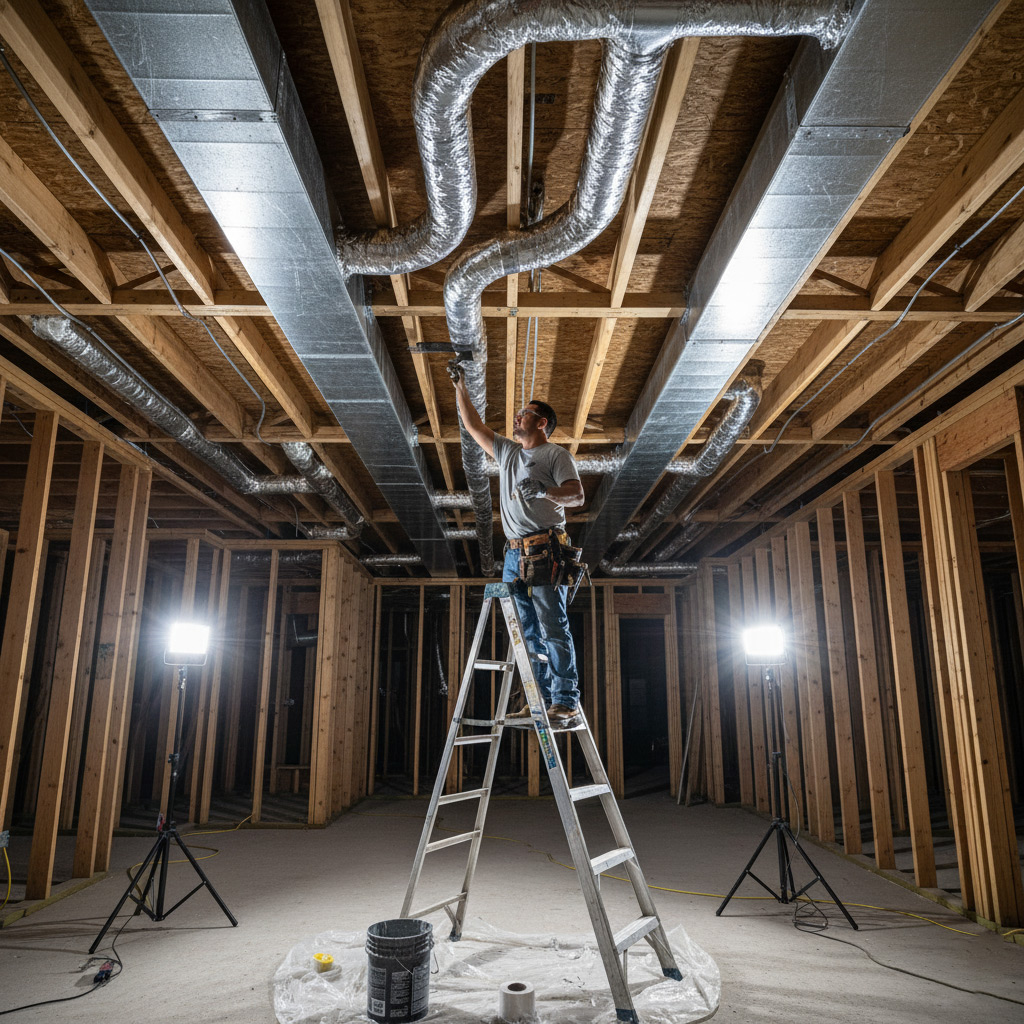
Venting, Combustion Air, and Local Codes: Ensuring Safe and Code-Compliant Installations
Venting must keep exhaust out of living spaces and prevent dangerous backdrafts. For Scottsdale homes, that means selecting vent materials and routing that withstand desert weather and meet city rules. A proper vent path reduces condensation, condensation, and heat loss that drives up bills.
- Vent type: High-performance units vent through PVC; older units use metal venting. The installer matches the system to the home and code expectations.
- Termination and clearances: Terminations must stay clear of doors, windows, and air intakes and be protected from snow and debris.
- Combustion air strategy: Outside air kits or interior openings as required by code, sized and sealed to prevent leaks.
Combustion air supply is the oxygen feed for the burner. For many Scottsdale homes, a dedicated outside air intake keeps the space balanced and safe. The installer weighs options like a sealed outside-air kit or drawing air from interior spaces through approved openings, then configures the ducts and seals to prevent drafts, ensuring code-compliant performance.
Code compliance and permits
Permits and inspections are mandatory for venting and combustion air work. In Scottsdale, trusted installers handle the paperwork and coordinate with inspectors, ensuring materials match IFGC/IMC guidelines and any city amendments. This step protects your family and the system's lifespan.
Permits, Scheduling, and Hiring a Qualified Installer in Scottsdale
In Scottsdale, a gas furnace install isn't a DIY job. The city requires building and gas permits and a final inspection, and a licensed HVAC contractor handles the paperwork trail. Your installer should line up the schedule with the building department so inspections happen on time, and they’ll keep you posted on any additional costs.
Most projects hinge on timing. Permits can add days to the start, especially during peak season, so it's smart to lock in a start date early. The pro will coordinate with the gas utility and the inspector, confirm venting and combustion-air requirements, and ensure the system is ready for the first cold snap.
Hiring steps that protect your investment
- License and insurance: Confirm an active HVAC license and general liability coverage, and request proof.
- Permits included: Ensure the contractor pulls all required Scottsdale permits and lines up inspections.
- Clear scope and pricing: Get a written bid with a detailed scope, timeline, and warranty terms.
- References and local experience: Check recent Scottsdale installs and talk to past clients if possible.
- Warranty and service plan: Ask about parts, labor, and post-install maintenance options.

Case Study: Turning Around a Frustrating Winter in a Scottsdale Home with a Gas Furnace Installation
When a Scottsdale family faced a brutal winter, their old gas furnace simply couldn't keep up. Cold spots lingered in corners, and the thermostat seemed to battle drafts more than deliver warmth. They pursued a full gas furnace installation after a thorough review showed the unit no longer matched the home’s winter load.
The plan focused on accuracy and protection: a Heat-load calculation, duct sealing, and a unit sized for Scottsdale's cool season. The team checked venting and combustion air to meet local codes and kept permits and scheduling tight so the install didn’t become a bottleneck. The aim was a safe, quiet, dependable setup that reduces hot spots and last-minute emergencies.
- Heat-load calculation to size the furnace correctly
- Duct sealing and air balancing to cut heat loss
- Venting and combustion air verified for code compliance
- Permits secured and a qualified installer contracted
- Air filtration upgrades and thermostat integration for daily comfort
Post-install, the home warmed evenly from room to room and nights stayed comfortable without pushing the thermostat higher. The family saw lower energy bills, quieter operation, and better indoor air feel—proof that a thoughtful install turns a rough winter into a smooth season.
From Installation to Everyday Comfort: Maintenance, Indoor Air Quality, and Long-Term Savings
After a gas furnace is installed, smart upkeep is the name of the game. A yearly professional tune-up catches wear before it becomes a breakdown and helps the system deliver steady heat. Between visits, simple checks prevent surprises on chilly Scottsdale nights.
- Schedule a yearly tune-up with a licensed Scottsdale HVAC technician.
- Change or clean the furnace filter every 1–3 months, based on dust levels and filter type.
- Keep the exhaust vent clear and inspect for blockages; ensure outdoor terminations are free of debris.
- Test carbon monoxide alarms and verify the condensate drain is clear.
- Check the thermostat settings and battery; confirm the unit responds to your schedule.
- Listen for unusual noises or cycling patterns that don’t match previous behavior.
Indoor air quality upgrades
Clean air inside the home supports comfort and health, and it helps the system run better, trimming ongoing bills. IAQ enhancements can add up over the years without a major overhaul.
- Use a higher-MERV filter (MERV 8–13) and replace it on a regular schedule to trap more dust, pollen, and smoke.
- Consider a whole-house air purifier or a UV-C lamp installed in the furnace to reduce microbes.
- Install a humidifier or dehumidifier as needed to hold humidity around 40–50% when the air swings dry or muggy.
- Seal and insulate ducts to reduce air leaks and keep conditioned air moving where it should.
- Pair a smart thermostat with zoning or flexible scheduling to trim waste and avoid overheating spaces.
From Installation to Everyday Comfort: Maintenance, Indoor Air Quality, and Long-Term Savings
Maintenance that pays off
After a new gas furnace is installed, a simple upkeep plan keeps heat steady and bills predictable. Schedule a professional tune-up once a year to verify burner cleanliness, gas pressure, venting, and CO safety. Regular filter changes help the blower run smoothly and improve overall comfort in Scottsdale homes.
- Schedule an annual professional tune-up to verify burner cleanliness, gas pressure, venting integrity, and CO safety.
- Change furnace air filters every 1-3 months depending on usage, indoor air quality needs, and pets or dust levels.
- Inspect and seal ducts to reduce air leakage and ensure even heat distribution.
- Test carbon monoxide detectors and consider a smart thermostat for better control.
Beyond upkeep, focus on indoor air quality to keep family health on track. A well-tuned system works with proper filtration and occasional IAQ upgrades like whole-house purifiers or humidifiers, especially in Scottsdale’s dry winters. For a deeper look, check our Gas Furnace Installation category.
People Also Ask
What do heat-load calculations and duct checks involve for a Scottsdale gas furnace installation?
Scottsdale homes should use accurate Manual J heat-load calculations that account for insulation, windows, and attic conditions, followed by duct leakage and airflow checks to ensure proper sizing. This prevents short cycling and keeps winter heating costs predictable while maximizing comfort.
How does Scottsdale's climate influence choosing a gas furnace (efficiency, sizing, and features)?
Desert winters require reliable low-ambient performance and efficient operation to balance long cooling seasons. Look for a high AFUE rating, and consider multi-stage or modulating burners and good zoning to maintain comfort without overspending on energy use.
What venting, combustion air, and local code considerations apply to Scottsdale homes?
High-efficiency furnaces may vent with PVC or concentric piping, while older models use metal venting; proper combustion air must be provided, either through existing openings or dedicated vents. A licensed installer will ensure vent types, clearances, and local Scottsdale or county codes are fully met.
Why is obtaining permits, scheduling, and hiring a qualified installer important in Scottsdale?
Permits ensure the installation meets safety and mechanical standards and trigger required inspections. Hiring a qualified, licensed HVAC contractor in Scottsdale helps protect warranties, ensures proper installation, and streamlines coordination with inspectors and utilities.
What real-world benefits might a Scottsdale case study show after a gas furnace installation?
Case studies often demonstrate improved winter comfort, fewer temperature fluctuations, and lower energy bills due to proper sizing and duct sealing. They highlight the long-term value of professional installation through reliability, reduced maintenance, and savings over time.

Scottsdale HVAC serves the Scottsdale, AZ area with more than 15 years of experience delivering HVAC installation, repair, and maintenance. Their team specializes in fast diagnostics, clear explanations, and efficient, reliable climate control for homes and small businesses. Rooted in the local community, Scottsdale HVAC focuses on responsive service tailored to Scottsdale residents and the region's climate.
Need HVAC?
We deliver rapid, measurable results for homes and businesses across Scottsdale and neighboring ZIPs (85251, 85253, 85255, 85258, 85260). Our streamlined process ensures you see the impact within days.
Request a quick quote