
Scottsdale summers don’t play fair. When your AC coughs or stops cooling, you’re staring at one thing: hot rooms and rising bills. This guide, The Ultimate Air Conditioning Repair Guide for Scottsdale, AZ, gives you a clean, no-fluff plan to diagnose problems and save money.
From thermostat quirks and dusty coils to aging components, you’ll know where to look and what to try first. We lay out safe DIY checks, common fixes, and the moments when a pro is the smarter call.
Designed for Scottsdale homeowners dealing with heat and higher energy bills, this post lives in our Air Conditioning Repair category and speaks in plain language you can act on today. The tips also apply to homes across the Phoenix metro and are built around real-world costs and timelines.
Keep reading to uncover the checks and fixes you can apply today and keep your home cool when the noon sun blazes.
Getting Oriented: Tools, Safety, and Symptom Documentation
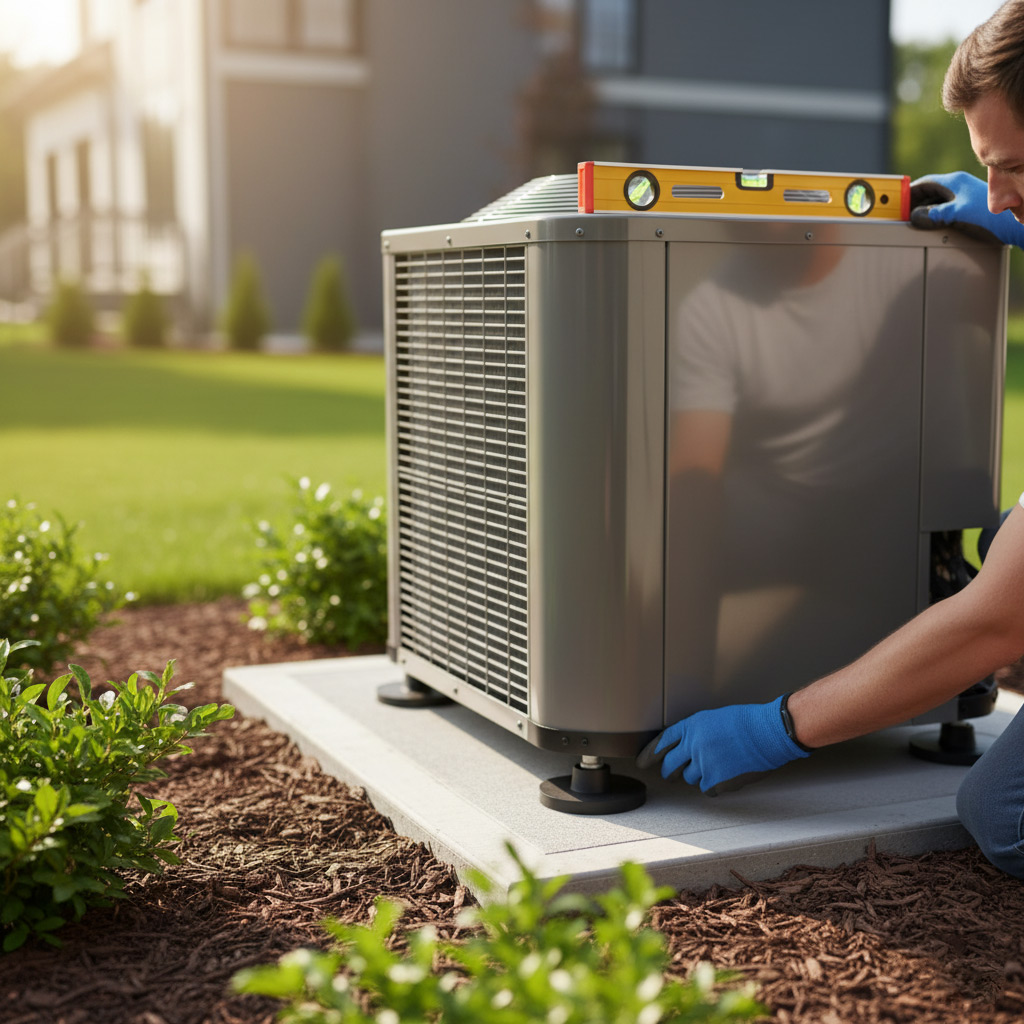
Getting oriented means you know what you’re dealing with and you have a plan to stay safe. Start with a simple, portable tool kit that covers the basics: measurement tools, screwdrivers, and a way to peek into tight spaces. This kit should be light enough to carry around the outdoor unit and inside the utility closet, yet complete enough to spot common DIY clues. Stay focused on what you can do today, not what you can’t fix in one go.
Toolkit at a glance
- Basic tool kit: Phillips and flathead screwdrivers, a small utility knife, adjustable wrench, and pliers.
- Electrical basics: Non-contact voltage tester, a digital multimeter, electrical tape, and a few wire nuts.
- Visibility and access: Flashlight or headlamp, small mirror for tight spots, and a coil-cleaning brush.
- Safety gear: gloves, safety glasses, and closed-toe shoes.
Safety comes first. Always cut power at the main breaker before probing any wires or panels. If you smell refrigerant, hear a hissing leak, or see ice forming on coils, back away and call a pro. Document symptoms with clear notes and quick photos so the tech can hit the ground running when you call.
Scottsdale-Specific Troubles: Common Ailments That Pop in the Heat
Scottsdale summers hammer HVAC systems, and the outdoor unit bears the brunt. When cooling drops or energy bills spike, you’re likely facing problems that flare in the heat: warm air, short cycling, and odd noises. The most common ailments show up fast and cost less when you spot them early.
- Refrigerant leaks and a low charge cut cooling capacity. You’ll notice warm air and sometimes frost on the evaporator coil. Only a licensed tech should handle refrigerant repairs.
- Dirty condenser coils and restricted airflow. Desert dust and pollen coat the outdoor coil, making the system work harder and waste energy.
- Faulty capacitors and failing fan motors. They cause short cycling, uneven cooling, and the outdoor unit might hum or stall.
- Thermostat issues from sun exposure or miscalibration. Readings drift and your home feels warmer or cooler than the display.
- Clogged condensate drain. Excess humidity can back up and trigger water leaks or mold growth in the living space.
- Duct leaks and poor insulation in attic spaces. Hot attic air infiltrates ducts, driving up cooling demand and bills.
These Scottsdale-specific troubles share a pattern: heat pushes components to work harder, and small faults snowball into big comfort gaps. If you detect weak airflow, musty vent smells, or unexplained humidity, it’s a signal to service the system before a breakdown hits peak season.
Safe DIY Checks and Quick Fixes You Can Try Today
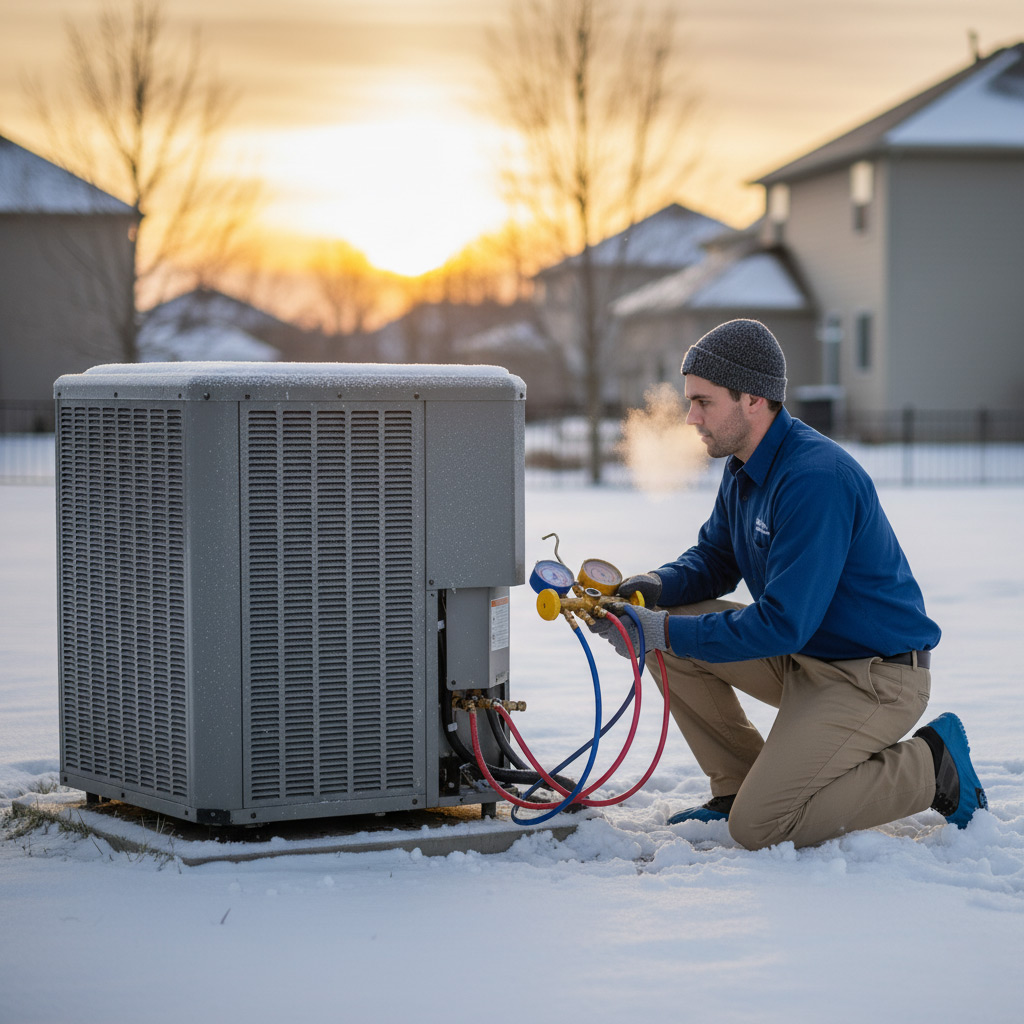
These DIY checks are safe, quick, and can buy you time before a service call. Always cut power at the breaker and, if possible, at the thermostat before sticking a hand near components. Start with the basics that impact cooling: thermostat setup, airflow, and filter health.
- Thermostat sanity: Make sure the unit is set to cooling, the temperature target is reasonable, and the fan is on Auto rather than On. If you have a smart thermostat, check for firmware updates or app connectivity.
- Air filter health: Replace disposable filters or clean reusable ones. A clogged filter blocks airflow and makes the system work harder.
- Outdoor unit clearance: Remove debris, trim back plants, and keep at least 2 feet of clearance. Gently straighten any bent fins with a fin comb.
- Condensate drain: Locate the line near the indoor unit and ensure it’s clear. A slow drain can trigger an overflow switch.
- Electrical disconnect at the outdoor unit: Confirm the switch is ON. If it’s tripped, flip it off and on again.
- Low-risk reset: If your system acted up, a brief power reset can help. Turn off at the breaker for 60 seconds, then back on.
Some checks have limits. If you see ice on lines, hear buzzing, or smell a chemical odor, stop and call a pro immediately. Do not open electrical panels or attempt refrigerant work—these tasks require licensed techs. For best airflow, ensure vents stay clear and furniture isn’t blocking registers.
When to Call a Pro and What to Expect During a Repair
In Scottsdale, heat doesn’t give you a break, and a stubborn AC deserves a seasoned pro who can move fast. If your unit is making odd noises, blowing warm air, or you notice ice forming on the coils, don’t push your luck with DIY fixes. A licensed technician can pinpoint the issue quickly and prevent costly mistakes that can spike your bill.
When a pro rolls up, you’ll get a clear plan and an honest read on timing and cost. Here’s what to expect during the diagnostic and repair process:
- Safety check and power isolation: the tech will shut off the main breaker and verify the system won’t start unexpectedly.
- Symptom verification: they’ll reproduce the issue, test the thermostat, and confirm the cooling split to ensure accuracy.
- Electrical inspections: capacitors, contactors, relays, and wiring are checked for wear or pitting that could cause misfires.
- Refrigerant and airflow checks: pressures are measured, leaks are inspected, evaporator coils are assessed, and airflow is tested across the coil.
- Component wear and fixes: common culprits include fans, motors, the compressor, or the control board; parts are replaced as needed.
- Cost and timing: you’ll receive an itemized estimate, parts availability, and an expected repair window; warranties on parts and workmanship are clarified.
After the repair, expect a quick system test and practical tips to keep things running smoothly. Maintenance-minded habits like monthly filter checks and a seasonal tune-up can prevent repeat visits. If the job reveals a tight window for continued efficiency, your pro will outline options between a repair and a replacement, with cost and performance details tailored to your Scottsdale home.
Case Study: Restoring Comfort in a Scottsdale Home
Snapshot of the Challenge
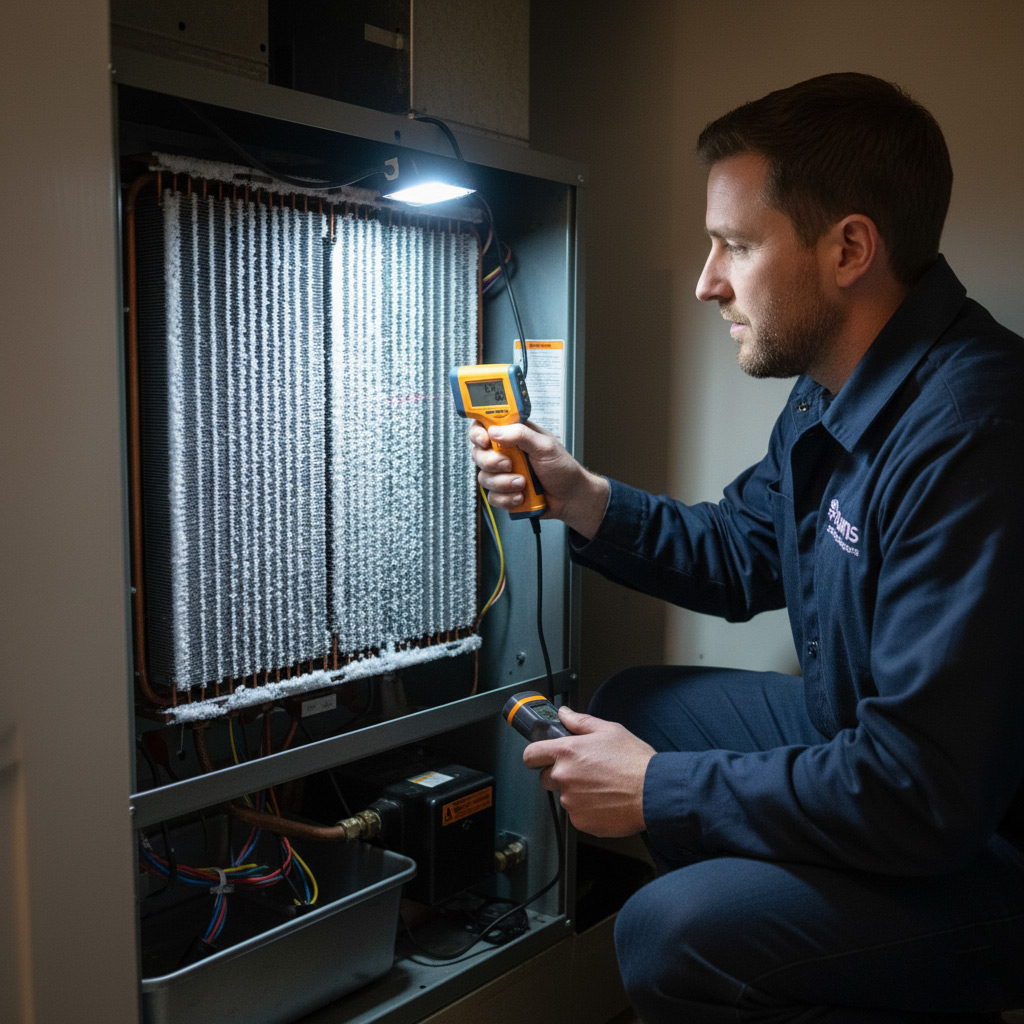
When a Scottsdale family called, their 4-ton AC left upstairs rooms sweltering while the living area stayed warm. The thermostat showed 74 on the wall, but the house felt like an oven in the afternoon sun. Our mission: bring even cooling and lower the energy bill without a full system teardown.
- Uneven cooling and short cycling reported by the family
- Dirty outdoor coil and restricted air flow
- Age and wear on components like the blower motor and capacitor
- Possible duct leaks contributing to losses
We approached the fix with a focused plan tailored to Scottsdale heat: targeted cleaning, duct sealing, and a component refresh to restore reliable performance.
We tackled the case with precision: cleaned the evaporator coil, sealed duct joints, replaced a failing capacitor and worn blower motor, and recalibrated the thermostat for accurate readings. The outcome is even cooling across floors and a noticeable drop in energy usage as the system runs more efficiently. The client reports quieter operation and comfortable rooms from morning through night, not just during peak heat.
Seasonal Maintenance Plan to Prevent Breakdowns and Lower Bills
Seasonal maintenance isn't optional in Scottsdale's heat. It keeps comfort and lower bills in check with a simple routine—filters, outdoor unit clearance, and a quick thermostat check—that stops small issues from turning into big outages.
Adopting a seasonal schedule helps you catch wear before it bites and trims waste. Below is a practical, Scottsdale-tested plan you can start today.
Monthly DIY checks you can do
- Change disposable air filters every 1–3 months to keep airflow clean and reduce strain on the blower.
- Verify the thermostat cycles on and off correctly and that the temperature matches the display.
- Look for visible signs of duct leaks, loose wiring, or unusual noises when the system runs.
Seasonal maintenance tasks
- Spring: Schedule a professional A/C tune-up to test refrigerant pressure, electrical connections, and cap off any refrigerant leaks—these require a licensed tech.
- Clear the outdoor condenser area: at least 2 feet of clearance; remove leaves, grass, and debris that block airflow.
- Clean the condenser fins gently with a soft brush and hose; keep fins straight with a fin comb if needed.
- Inspect and seal accessible ductwork; check for obvious holes or loose joints that waste conditioned air.
- Check condensate drain and pan for blockages to prevent water damage and mold growth.
- Fall: Test the heating system and ensure your furnace or heat pump starts reliably; replace batteries in smart thermostats if applicable.
- Keep communication lines with your supplier for any seasonal rebates or maintenance discounts in Scottsdale.
Seasonal Maintenance Plan to Prevent Breakdowns and Lower Bills
Seasonal care keeps Scottsdale heat from turning a small problem into a costly repair. A simple, twice-yearly check helps you avoid compressor burnout and sagging efficiency. This approach lowers energy bills and extends equipment life.
Seasonal Quick-Start Checklist
- Replace disposable or washable air filters every 1–3 months, depending on usage and pets.
- Clean or inspect the outdoor condenser coils and indoor evaporator coils for dusty buildup.
- Inspect the condensate drain line and clear any clogs to prevent water damage.
- Confirm thermostat settings and ensure fan mode, cooling, and energy-saving options are correct.
- Schedule a professional inspection before Scottsdale's peak demand season (late spring) to verify airflow and refrigerant charge.
We’ll keep the rest simple: a yearly tune-up includes refrigerant charge checks, electrical tests, and lubrication of moving parts. Regular maintenance reduces surprises and helps your system run closer to its rated efficiency. DIY basics are fine, but refrigerant handling and certain electrical tasks require a licensed pro, especially in the Phoenix heat.
Stamp a maintenance plan on the calendar. Aim for two quick visits a year—one in spring for pre-season prep and one in fall to ready the system for cooler weather. For more extensive repairs or a full system check, browse our Air Conditioning Repair category.
People Also Ask
What are the most common Scottsdale air conditioning repair issues in the hot Arizona summer?
In Scottsdale, common issues include refrigerant leaks, faulty capacitors or contactors, dirty condenser coils, and restricted airflow that can freeze the evaporator coil. Symptoms like warm air, unusual noises, ice on components, or rising energy bills usually signal a repair is needed, and a licensed technician should diagnose it promptly.
How do I know if my AC needs repair or replacement in Scottsdale?
If your unit is 10-15 years old and requires frequent repairs, replacement is often more cost-effective in the long run. A qualified tech can perform efficiency tests and a load calculation to determine whether repair or upgrade is the best option for your home.
Can I do DIY AC repair safely in Scottsdale, AZ?
You can handle safe tasks like changing filters and clearing debris around the outdoor unit, but refrigerant work and electrical repairs must be done by a licensed professional. Improper handling can cause leaks, electrical hazards, or injuries, so leave those to the experts.
What should I expect during a professional AC repair visit in Scottsdale?
A technician will diagnose the system, check refrigerant levels, inspect electrical connections, and test capacitors, contactors, and airflow. They’ll explain the problem, provide a written estimate, and discuss repair versus replacement options, warranties, and maintenance steps.
How can I prevent AC breakdowns in Scottsdale and save on energy bills?
Schedule seasonal maintenance, replace filters every 1-3 months, and keep coils clean with proper outdoor clearance. Sealing ducts and using an efficient thermostat program also help, and a local Scottsdale HVAC pro can tailor a preventive plan for your home.

Scottsdale HVAC brings decades of experience in heating, ventilation, and air conditioning to the Scottsdale community. With licensed technicians and a deep understanding of Arizona's climate, they deliver precise installations, reliable repairs, and lasting comfort for homes and businesses. Their local focus ensures responsive, neighborhood-oriented service tailored to Scottsdale and the surrounding Valley.
Need HVAC?
We deliver rapid, measurable results for homes and businesses across Scottsdale and neighboring ZIPs (85251, 85253, 85255, 85258, 85260). Our streamlined process ensures you see the impact within days.
Request a quick quote