
Scottsdale summers don't negotiate, and your heat pump shouldn't run on guesswork. When the unit groans, trips the breaker, or climbs your bill, you want real answers fast, clear, and proven. This post pulls back the curtain on the moves the pros use to keep cool when the clock is ticking.
From refrigerant health to airflow balance, these aren't gimmicks; they're practical checks that separate a quick fix from a lasting repair. You'll hear about common misreads, the small parts that fail first, and how a precise diagnosis saves you from repeat calls.
By the end, you'll spot telltale signs, know which questions to ask a tech, and keep your Scottsdale system running strong when the heat hits hard. Ready to see the secrets pros keep close to the vest? Read on to uncover what really makes a heat pump repair stick.

Scottsdale Climate and Heat Pump Stress: Signs Your System Is Near the Edge
Scottsdale summers push heat pumps to their limit. Blazing days, dusty air, and high humidity force compressors to work longer and fans to spin harder. When a unit is stressed, you’ll notice it in longer run times, louder operation, and a spike in energy bills.
Think of your system as a living machine that shows stress in subtle ways. Here are the signs to spot before a small issue grows into a big repair.
- Frequent breaker trips or fuse blows — electrical strain on the system that deserves a quick look.
- Short cycling — the unit starts and stops quickly, never letting the indoor temperature stabilize.
- Ice or frost on the outdoor coil — airflow or refrigerant troubles choking cooling power.
- Warm air from vents — cooling output isn’t meeting the demand of the heat outside.
- Unusual noises like grinding, squealing, or rattling
- Rising energy bills not explained by weather or usage patterns
- Uneven cooling or blocked vents — some rooms stay stuffy while others feel comfortable
Spotting these signs early lets you time a service, avoid outages, and keep your home cool when the heat hits. If you notice any of the signals above, call a Scottsdale pro for a diagnostic visit—fast, precise, and designed to protect your comfort.
The Pros' Diagnostic Playbook: From Symptoms to Root Cause in a Single Visit
In a Scottsdale heat, a strange sound or a breaker trip doesn't deserve guesswork. The pros use a diagnostic playbook that turns symptoms into a root cause in one visit. They apply a fast, practical sequence—no fluff, no tail-chasing—so you get clarity and action fast.
They start with safety and a tight scope, then map what you see to likely issues. The goal is to confirm the real offender quickly, not just replace worn parts blindly. If the issue can't be nailed in one sweep, they document findings and set realistic next steps with you, prioritizing the fix that restores comfort now.
- Refrigerant health: pressure readings, leaks, and correct superheat/subcooling values.
- Airflow balance: filter, blower, duct restrictions, and return path checks.
- Electrical load: voltage stability, breaker condition, and capacitor/contactor health.
- Coil and outdoor unit health: coil cleanliness, condenser performance, and fan operation.
All findings are documented with notes and, where possible, photos. You’ll hear a plain explanation of the root cause, the fix required, and the expected turnaround. The best techs leave you with a clear action plan and confidence that your Scottsdale system won’t land back in the red zone next week.

Core Health Metrics: Refrigerant Health, Airflow Balance, and Electrical Load
In Scottsdale, a heat pump that isn’t cooling right is usually a sign that one of three things is off. Refrigerant health is the first red flag: low charge, leaks, or contaminated oil pull cooling power down and spike running costs. When refrigerant isn’t right, the unit fights to reach set temps and the compressor wears out faster.
Next, airflow balance matters. If air isn’t moving evenly from the indoor coils to every vent, you get hot pockets and wasted energy. The third piece, electrical load, shows up as odd power draw, worn capacitors, or voltage irregularities that trip breakers or shorten equipment life. When all three stay in check, your heat pump runs cooler, quieter, and longer.
What pros actually check during a visit
- Refrigerant health: charge accuracy, leak search, observation of subcooling or superheat, and oil condition.
- Airflow balance: duct static pressure, filter and coil cleanliness, blower performance, and vent-to-duct matching.
- Electrical load: amperage on the compressor and fan, capacitor health, and wiring integrity.
Common Scottsdale Pitfalls: Refrigerant Loss, Dirty Coils, and Duct Leaks Exposed
Scottsdale summers bite hard, and these three pitfalls show up fast: refrigerant loss, dirty coils, and duct leaks. Each one wears down comfort and raises bills. You may notice a dip in cooling, longer run times, or chilly air that never quite hits the mark.
- Refrigerant loss: Signs include frequent recharges, ice on the evaporator coil, and a noticeable drop in cooling performance. It's a leak, not a refill.
- Dirty coils: Outdoor and indoor coils collect desert dust and pollen. That grime blocks heat transfer, makes the unit work harder, and pushes energy use up.
- Duct leaks: Leaky ducts waste conditioned air, leading to uneven temperatures and high pressure on the blower. You’ll feel air at some registers and little at others.
When you spot these red flags, push for a single diagnostic that checks refrigerant, coils, and ducts in one shot. A seasoned pro will verify charge, inspect coils, and test duct integrity, not guess at the problem. Fixes that address the root causes pay you back in comfort and lower bills.
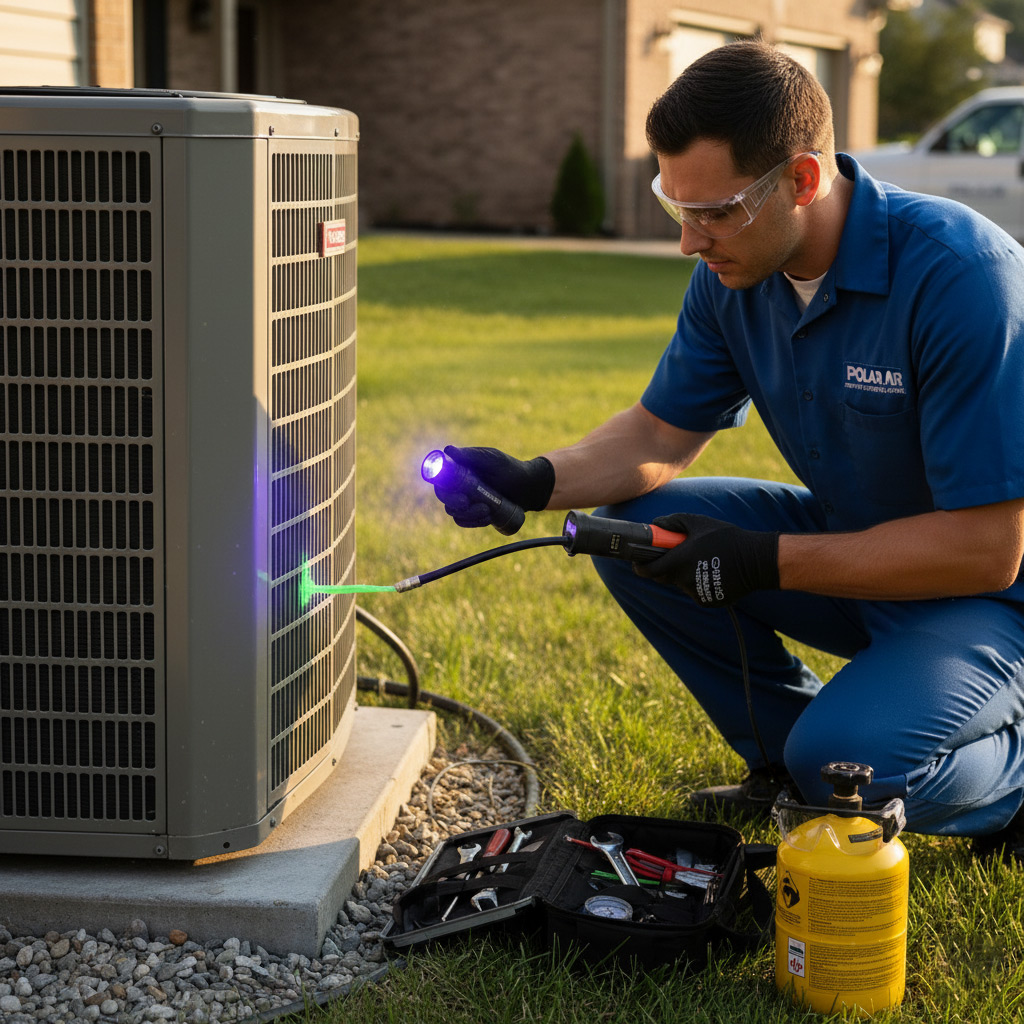
Case Study: A Pro-Solved Heat Pump Breaker Trip and Sky-High Bill in Scottsdale
On a Scottsdale afternoon, a homeowner watched the outdoor unit groan, trip the breaker, and the bill climb. Our pro arrives, runs a quick triage from the panel to the outdoor cabinet, and cuts to the chase in minutes. The goal is simple: find the issue behind the breaker event and the energy spike before it happens again.
What the tech uncovered was a two-part problem masquerading as one symptom. The main culprit was a failing outdoor contactor that stuck and kept the compressor energized even when the thermostat shut off, which tripped the breaker and spiked energy use. A grimy outdoor coil limited airflow, forcing the system to work harder than it should.
What the pro found and fixed
- Electrical fix: Replaced the bad contactor and checked all wiring for signs of arcing or looseness.
- Refrigerant and charge: Repaired a minor leak and restored the correct refrigerant charge per spec.
- Airflow boost: Cleaned coils, replaced dirty air filters, and ensured proper duct balance so the blower could do its job without forcing the system to run longer.
- Test drive: Running the unit for 15+ minutes, confirmed the breaker stayed put, and verified inside temps remained comfortable with a stable electrical draw.
Post-repair, the bill dropped to a healthy level, and the system settled into steady operation. Addressing both the electrical issue and airflow/refrigerant shortcomings stops repeat trips and keeps you comfortable when the heat hits hardest.
What to Ask and How to Vet a Pro: Maintenance Plans, Warranties, and Turnaround Time
When you vet a heat pump pro, you want a plan that sticks to a clear schedule and a transparent price. Look for maintenance options that cover routine checks, coil cleaning, filter changes, and performance testing, with terms written in plain language.
- Maintenance plan contents: What exactly is included, how often it runs, and what counts as extra.
- Tier options: Are there multiple plans, and what does each cover?
- Diagnostic fee: Is there a fee, and can it be credited toward repairs?
- Reminders and reporting: How will you be notified, and what details are provided after a visit?
- Parts and pricing: Are specific brands or parts required, and are discounts applied for ongoing service?
- Emergency availability: Do after-hours visits apply to maintenance, or only diagnostics and repairs?
- Warranty terms: Labor and parts coverage, duration, and exclusions.
- Written estimates: Will you receive a detailed, itemized quote before any work starts?
Warranty, turnaround, and written estimates
Warranty terms matter: ask for both labor and parts coverage, and confirm what voids the warranty. A reliable pro puts every term in writing, including duration, exclusions, and the claims process.
Turnaround timing matters: request a guaranteed response window for diagnostics and a clear timeline for repair or replacement. In Scottsdale, where heat spikes demand speed, ask for a status update plan and a contingency for parts delays.
What to Ask and How to Vet a Pro: Maintenance Plans, Warranties, and Turnaround Time
In Scottsdale, you want a partner who delivers a plan, not buzzwords. A solid maintenance plan keeps your heat pump in peak condition and protects you from surprise bills.
Maintenance plan essentials
Look for clear inclusions and predictable pricing. Ask these questions to separate the good from the rest:
- What’s included: semi-annual tune-ups, coil cleaning, filter changes, thermostat calibration, safety checks.
- Scheduling and cadence: how often visits occur and how you book time slots.
- Pricing structure: flat-rate vs. itemized charges and any seasonal discounts.
- What triggers extra charges: after-hours visits, refrigerant top-offs, or parts outside the plan.
With the right plan, you’re not guessing in the heat. You’re paying for a tested checklist that keeps cooling steady and bills predictable.
For a quick read on how we approach plans, consider whether the agreement clearly states turnarounds and what happens if parts are back-ordered.
Warranty realities and turnarounds
Warranty details protect you when a hiccup hits during peak season. A solid policy should spell out coverage, duration, and the claim process.
- Parts and labor warranty length and what it covers.
- Scope of coverage—what’s included (and what isn’t) for wear items, refrigerant, or controls.
- Diagnostics and repair timelines—typical turnaround and when delays are acceptable.
- Recurrence policy—how a recurring issue is handled under warranty and what re-diagnosis entails.
Ask about emergency response windows and whether warranty work prioritizes cooling-critical periods in Scottsdale’s heat waves.
Vet a pro with clear steps and written assurances. Verify license and insurance, request references from similar Scottsdale installs, and insist on a written estimate with a defined scope and timeline. You’ll also want a straightforward plan for emergency availability and after-hours charges. For a closer look at how we handle Heat Pump Repair, visit our Heat Pump Repair category.
People Also Ask
What are the telltale signs my Scottsdale heat pump is near the edge?
Rising energy bills, weak or inconsistent cooling, and longer run times are red flags. You may also notice ice on the outdoor coil, unusual noises, or frequent breaker trips. In Scottsdale's extreme heat, these signs can escalate quickly, so an early diagnostic visit is wise.How do pros diagnose heat pump issues in a single visit, from symptoms to root cause?
They start with a quick history and visual inspection, then check refrigerant levels, electrical load, and airflow. They use gauges, a manometer, infrared imaging, and functional tests to confirm root causes like leaks, dirty coils, or restricted ducts. If possible, they perform targeted fixes on the spot and outline next steps if more work is needed.What core health metrics do technicians monitor for Scottsdale heat pumps?
Refrigerant health—ensuring proper pressure and charge; Airflow balance—checking duct performance and blower capacity; Electrical load—monitoring voltage, amperage, and compressor draw. They also verify coil cleanliness, filter condition, and temperature differentials between supply and return air to gauge efficiency.What common Scottsdale pitfalls should homeowners know about, such as refrigerant loss, dirty coils, and duct leaks?
Refrigerant leaks can silently siphon efficiency and damage components if ignored. Dirty coils reduce heat transfer and spike energy use, while duct leaks steal conditioned air, making the system work harder. Regular professional checkups help catch these issues before they escalate in our desert climate.
Scottsdale HVAC is a locally owned HVAC provider serving Scottsdale, AZ. With extensive experience in residential and commercial heating and cooling, they deliver reliable solutions tailored to Arizona climates. The team focuses on responsive service, energy-efficient installations, and long-term comfort for Scottsdale homes and businesses.
Need HVAC?
We deliver rapid, measurable results for homes and businesses across Scottsdale and neighboring ZIPs (85251, 85253, 85255, 85258, 85260). Our streamlined process ensures you see the impact within days.
Request a quick quote